
Proximity sensor testing plays a vital role in ensuring devices respond accurately to nearby objects without physical contact. This technology supports seamless interaction by detecting presence, distance, or movement with high consistency. The testing process validates that sensors maintain stability across different conditions and deliver dependable results in real-world usage. It enhances automation, improves user experience, and supports efficient system behavior across multiple applications.
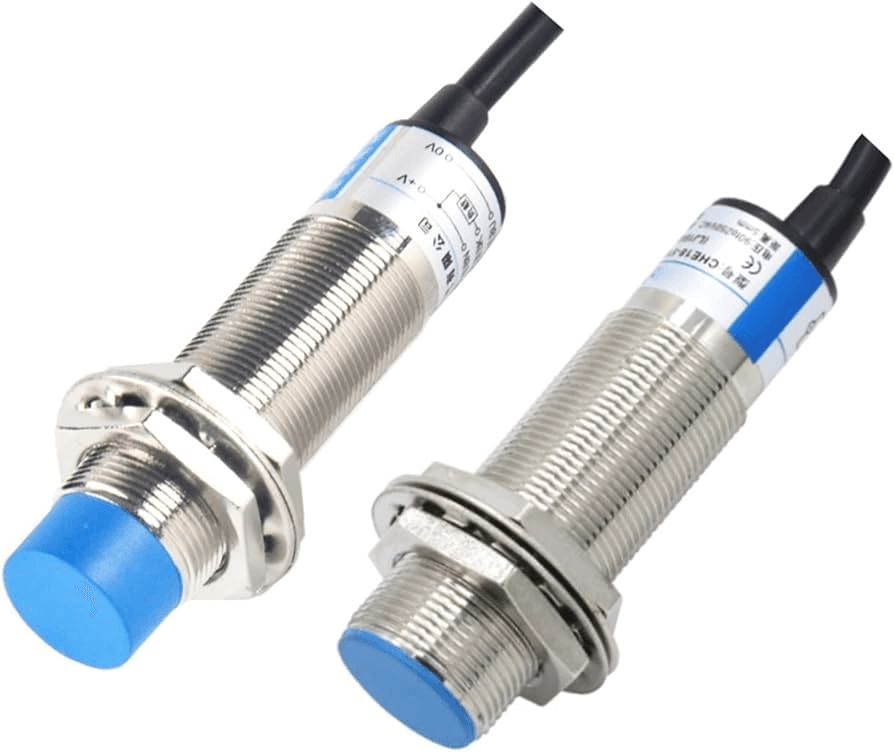
Key strengths of proximity sensor testing include
- Ensuring accurate object detection without delays
- Improving device responsiveness in dynamic environments
- Supporting smooth automation in smart systems
- Enhancing safety by preventing unintended contact operations
- Delivering consistent performance across repeated cycles
Precision and Calibration Factors in Testing
Proximity sensor testing focuses heavily on accuracy calibration and signal consistency. Proper evaluation ensures that sensors can distinguish between actual targets and environmental interference. This process strengthens device intelligence and reduces false detection rates.
Important precision-related aspects include
- Fine-tuning detection range for optimal sensitivity
- Reducing interference from external environmental signals
- Ensuring stable output during continuous operation
- Verifying response speed for real-time interaction
- Maintaining accuracy across varying surface materials
Additional testing benefits involve
- Improving adaptability in compact device designs
- Supporting energy-efficient sensing performance
- Ensuring uniform detection across multiple angles
- Enhancing durability under repeated use conditions
Applications across Modern Intelligent Systems
Proximity sensor testing is widely used in systems that require touch-free interaction and reliable automation. It enables smooth functionality in devices where precision is essential for performance and safety. These sensors are critical in improving operational efficiency across various environments. Practical training sessions often explain how to test a proximity sensor effectively for accurate readings and reliable device performance checks.
Common application advantages include
- Enabling automatic screen activation and deactivation
- Supporting object detection in automated machinery
- Improving navigation systems in smart equipment
- Enhancing safety controls in industrial processes
- Assisting in gesture-based control systems
Further application strengths include
- Supporting seamless user interaction in compact devices
- Enabling efficient motion detection in robotics systems
- Reducing manual input requirements for better convenience
- Improving system reliability in continuous operations
Performance Benefits and Testing Outcomes
The performance outcomes of proximity sensor testing demonstrate improved accuracy, responsiveness, and long-term reliability. Devices equipped with properly tested sensors show enhanced stability and reduced error rates in detection tasks.
Key performance improvements include
- Faster response times during object detection
- Higher accuracy in differentiating distance levels
- Reduced false triggering in complex environments
- Improved consistency in repetitive operations
- Better performance under varying environmental conditions
Additional outcomes include
- Increased system efficiency with optimized sensing
- Enhanced user satisfaction through smooth interaction
- Greater operational reliability in automated systems
- Strong adaptability across multiple device formats
Conclusion for Advanced Detection Reliability
Proximity sensor testing ensures devices achieve precise and dependable detection every time they operate. Through careful calibration, performance validation, and environmental adaptation, these sensors deliver consistent results that support advanced automation and intelligent functionality. The process strengthens device efficiency while enhancing safety, responsiveness, and user experience across modern applications.