
Hydraulic technicians play a crucial role in maintaining and repairing hydraulic systems that power a wide range of machinery across various industries. Their expertise ensures that these complex systems operate efficiently, safely, and reliably, minimizing downtime and preventing costly failures. Offering accurate diagnostics and durable repairs, hydraulic technicians provide essential services that help businesses maintain productivity and extend the lifespan of their equipment. The work of hydraulic technicians involves a deep understanding of hydraulic components such as pumps, valves, cylinders, motors, and hoses. These parts work together to transmit power through fluid pressure, enabling heavy machinery to perform tasks with precision and strength. When a hydraulic system experiences issues, it can result in decreased performance, safety hazards, or even complete equipment failure. This is why accurate diagnostics are critical in identifying the root cause of any problem quickly and effectively. Hydraulic technicians use a variety of diagnostic tools and techniques to assess the health of a hydraulic system. They begin by visually inspecting components for signs of wear, leaks, or damage.
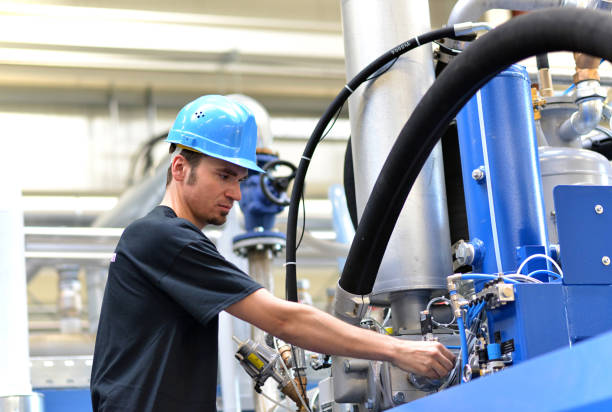
They then perform tests to measure pressure, flow, and temperature to determine if the system is operating within specified parameters. Advanced diagnostic methods may include using electronic sensors, flow meters, and computer-based analysis to pinpoint issues that are not immediately obvious. This thorough approach allows technicians to accurately identify faults such as worn seals, clogged filters, damaged pumps, or faulty valves. Once the problem is diagnosed, hydraulic technicians move on to repair and maintenance tasks designed to restore optimal system performance. Repairs may involve replacing damaged parts, repairing leaks, rebuilding components, or flushing and replacing hydraulic fluids. Technicians ensure that all repairs are performed to the highest standards using quality materials and parts that meet or exceed original equipment manufacturer specifications. This commitment to durable repairs means that machinery can return to operation quickly and continue to function reliably for an extended period. Beyond repairs, hydraulic technicians also play an important role in preventive maintenance. By regularly inspecting and servicing hydraulic systems, they can identify potential issues before they become serious problems. This proactive approach reduces the likelihood of unexpected breakdowns and extends the life of critical components.
Preventive maintenance often includes cleaning, lubrication, fluid analysis, and calibration of system controls to ensure everything is functioning properly and visit here https://s3da-design.com/guest-contribution/choosing-the-right-hydraulic-repair-service-what-to-look-for/. The trust placed in hydraulic technicians stems from their skill, experience, and dedication to safety. Hydraulic systems operate under high pressure and require careful handling to avoid accidents. Technicians are trained to follow strict safety protocols, ensuring that repairs are done safely without risking injury to personnel or damage to equipment. Their professionalism and reliability give businesses confidence that their hydraulic systems are in capable hands. In summary, hydraulic technicians offer invaluable services through accurate diagnostics and durable repairs that keep hydraulic machinery running smoothly. Their expertise helps prevent costly downtime, enhances safety, and maximizes the operational lifespan of hydraulic equipment. For any business relying on hydraulic systems, having skilled technicians available for maintenance and repair is essential to maintaining efficiency and productivity.